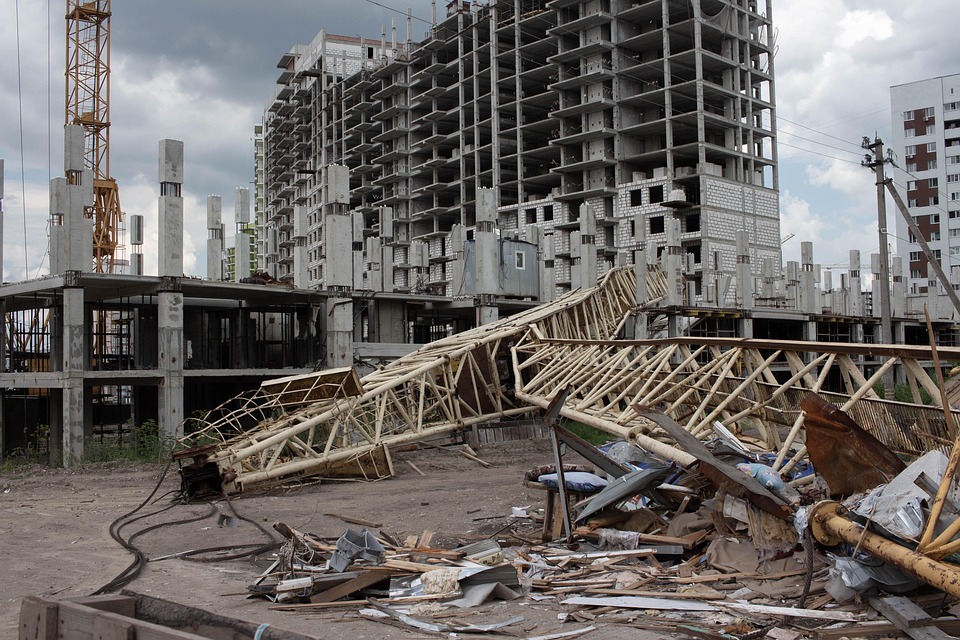
The shifting periods bring greater than simply dropping fallen leaves and pumpkin seasoning everything to Pittsburgh. As temperatures drop and autumn shifts into wintertime, building and construction websites throughout the Steel City deal with a special collection of difficulties that substantially boost the danger of workplace mishaps. Workers browsing scaffolding, running heavy machinery, and completing projects under limited due dates should now emulate much shorter daylight hours, unpredictable climate patterns, and cold-related dangers that weren't worries during the summer months.
Pittsburgh's building and construction market remains an essential part of the local economy, with recurring facilities projects, residential growths, and business remodellings happening throughout the year. Nonetheless, the city's dramatic seasonal temperature level swings create problems that demand heightened understanding from both employees and website supervisors. Comprehending these seasonal threats can assist protect against severe injuries and ensure that building and construction professionals make it home safely each night.
How Pittsburgh's Climate Creates Construction Hazards
Pittsburgh experiences one of one of the most variable environments in the northeastern United States. The city's location at the convergence of 3 rivers contributes to unexpected weather condition changes that can catch building and construction crews unsuspecting. Morning temperatures in the low 40s can pave the way to mid-day readings in the mid-60s throughout loss, developing a false complacency prior to winter months's rough conditions truly embeded in.
This temperature level change impacts greater than simply employee convenience. Products behave differently in winter, with concrete establishing much more gradually and metal becoming weak. Equipment that operated completely in July might have a hard time to start on an icy November early morning. Employees bundled in hefty clothes shed some of their flexibility and mastery, making routine tasks slightly much more tough and increasing the probability of mistakes or fumbles that can result in crashes.
The area's well-known grey skies additionally play a role in building and construction security. Pittsburgh standards just about 60 clear days each year, significance staffs commonly function under overcast conditions that minimize presence. When you incorporate limited natural light with the reduced days of late loss and winter, building and construction sites become substantially extra hazardous. Shadows strengthen earlier in the mid-day, and deepness understanding comes to be more difficult when distinguishing between various altitude degrees on a worksite.
Early Darkness Amplifies Workplace Dangers
The rapid loss of daylight during autumn months presents among one of the most substantial challenges for Pittsburgh building teams. By late November, sundown takes place before 5 PM, requiring lots of tasks to rely heavily on man-made lighting to finish the day. This change captures some websites not really prepared, especially smaller sized property tasks that may not have bought comprehensive illumination systems.
Poor lighting produces numerous dangers on construction sites. Employees may not see trip dangers like scattered products, uneven ground, or open excavations. Running equipment becomes a lot more hazardous when visibility is compromised, and working with in between crew members calls for additional interaction when visual signals end up being harder to see. The fatigue that naturally comes with shorter days also impacts focus degrees, making employees more susceptible to errors in judgment.
Lots of building and construction accidents occur during these twilight hours when the sun has set yet artificial lighting hasn't yet compensated completely. A construction accident lawyer commonly sees cases where workers suffered falls, equipment-related injuries, or were struck by lorries throughout these low-visibility periods. These occurrences are regularly avoidable with correct security protocols and adequate illumination, yet they continue to happen with disturbing uniformity as periods transform.
Winter Equipment Failures
Construction equipment faces unique tensions as temperatures drop across Pittsburgh. Hydraulic systems enlarge, batteries lose power quicker, and diesel motor come to be harder to start. These mechanical difficulties don't just cause project hold-ups; they develop unsafe scenarios when tools falls short all of a sudden or operators push machinery past secure operating specifications to satisfy deadlines.
Cold weather influences various kinds of building and construction tools in various methods. Cranes and lifts may experience slower response times in their control systems. Compressors and pneumatically-driven devices require longer warm-up durations to work securely. Even straightforward tools like power saws can act unexpectedly when steel elements agreement in the cold. Workers who don't represent these adjustments may find themselves in unsafe circumstances when equipment does not respond as anticipated.
Vehicle-related crashes additionally raise during cooler months on building and construction sites. Trucks making distributions browse through mud, morning frost, or unexpected ice spots. An auto defect attorney can inform you that automobile malfunctions come to be extra common in cold weather, particularly in older fleet automobiles that construction business make use of for product transport. Brake systems, steering parts, and tire integrity all face extra stress and anxiety when temperature levels drop.
Slips, Trips, and Fall Hazards Multiply
Pittsburgh's cooling temperatures bring rain, sleet, and ultimately snow, transforming building sites right into slippery obstacle courses. Morning frost on steel scaffolding, sloppy excavation websites that ice up overnight right into uneven surfaces, and damp leaves that collect on walkways all add to an environment where keeping your footing comes to be truly challenging.
Loss represent the leading root cause of building deaths across the country, and the risk magnifies throughout transitional periods. Employees climbing up ladders with cold, tight fingers, browsing roofs covered in early morning condensation, or strolling throughout plywood sheeting made slick by over night dampness face significantly higher dangers than their summer season counterparts. Even skilled specialists can shed their equilibrium when conditions change quickly throughout a single day.
The scenario comes to be even more treacherous during Pittsburgh's well-known freeze-thaw cycles. Water leaks into fractures and gaps during warmer afternoon hours, then broadens as it ices up overnight, developing unpredictable strolling surface areas. These problems linger throughout the loss and winter months, requiring constant watchfulness and positive safety measures to avoid significant injuries.
Worker Fatigue and Reduced Alertness
The human body responds to seasonal changes in ways that directly effect work environment security. Shorter daytime hours affect circadian rhythms, possibly leaving employees feeling sleepy throughout their changes. The physical demands of staying warm while executing labor-intensive jobs drain power books more quickly. Hefty safety apparel limits activity and makes employees tire quicker than they would in lighter summertime equipment.
Pittsburgh building workers face the added difficulty of travelling in darkness both to and from job sites throughout the winter months. Starting your day before daybreak and returning home after sundown takes a psychological toll that can show up as lowered awareness and slower response times on the job. This exhaustion aspect contributes to mishaps that might not happen when employees are completely relaxed and alert.
The battle to stay warm additionally diverts focus from safety methods. Workers focused on handling their body temperature may pay much less attention to their surroundings or take faster ways that conserve time but boost threat. This divided interest develops opportunities for mishaps that vigilant, comfy employees would normally avoid.
Compressed Schedules Before Winter Weather Arrives
Building and construction business usually rush to total tasks before severe wintertime climate makes outside job difficult or financially impractical. This pressure to defeat the schedule results in expanded hours, hurried job, and in some cases poor attention to safety procedures. The way of thinking shifts from "let's do this right" to "let's get this done before the snow flies."
Compressed timelines indicate employees place in longer days, sometimes in degrading problems as they race against approaching storms. Fatigue sets in faster, and the temptation to skip safety steps becomes stronger. A Philadelphia workplace accident lawyer often encounters situations where crashes took place because crews were pushing to meet deadlines prior to winter months weather condition shut down a project site.
This seasonal pressure affects decision-making at all levels. Project supervisors might accept operate in low problems that would generally cause a climate hold-up. Workers may continue jobs in fading light as opposed to shedding efficient hours. Tools might be run beyond recommended temperature level limits since quiting ways falling back routine. These computed dangers in some cases result in significant mishaps that could have been protected against with more realistic timelines.
Shielding Yourself on Cooling Construction Sites
Building employees can take a number of actions to secure themselves as Pittsburgh temperatures decrease. Wearing layers enables change as conditions transform throughout the day. Insulated, non-slip job boots offer far better traction on chilly, unsafe surfaces. Maintaining gloves that enable adequate dexterity guarantees you maintain appropriate grip on tools and tools while staying warm.
Staying knowledgeable about transforming light conditions throughout your shift assists you expect when presence will come to be jeopardized. Speaking out about insufficient lighting or dangerous problems isn't just your right; it's your duty to yourself and your coworkers. No building target date deserves risking your health or life over preventable risks.
Keeping equipment appropriately comes to be even more vital as temperature levels drop. Report any machinery that isn't operating typically, even if the problem appears small. Devices failures in cold weather can rise promptly from bothersome to harmful. Similarly, ensure sidewalks and job platforms are cleared of water, ice, and debris that create slip dangers.
When Accidents Happen Despite Precautions
Even the most cautious building and construction employees can find themselves wounded when conditions deteriorate or when employers stop working to preserve adequate safety criteria. Comprehending your civil liberties and choices after a workplace mishap helps guarantee you receive proper healthcare and payment for your injuries. Pennsylvania regulation offers defenses for construction employees, but navigating the insurance claims procedure usually requires expert advice.
Building mishap injuries visit here can vary from relatively minor to life-altering. Damaged bones from falls, crush injuries from tools crashes, and terrible mind injuries all accompany troubling frequency on Pittsburgh building websites. These injuries not only trigger instant discomfort and disability but can likewise lead to shed incomes, mounting medical expenses, and lasting influence on your capability to work and take pleasure in life.
The air conditioning season brings particular sorts of injuries that medical professionals and legal experts recognize as cold-weather associated. Hypothermia, frostbite, and crashes triggered by lowered dexterity in chilly conditions all fall under this classification. If you endure an injury on a construction website as temperature levels decline, recording the conditions at the time of your mishap comes to be particularly crucial for any subsequent cases.
Pittsburgh's construction market remains to expand and evolve, however the basic challenges positioned by cooling down temperature levels continue to be constant. Workers, employers, and task supervisors need to all recognize that seasonal changes require adjustments to security protocols and enhanced awareness of arising risks. The Steel City's building and construction sites can continue to be safe places to work throughout the loss and cold weather, however just when everybody involved prioritizes safety and security over schedules and earnings.
We invite you to follow our blog site for routine updates on building safety, workers' legal rights, and legal developments that influence Pittsburgh-area building specialists. Inspect back typically for new content created to aid you stay informed and protected throughout your career.